How to choose the right Hatta mountain experience for your trip
Understanding what Hatta mountain Dubai offers
Hatta, an enclave in the Hajar Mountains east of Dubai, draws visitors with its rugged terrain, calm reservoirs, and heritage village. The region is a popular day-trip destination for those who want a break from the city's pace. Before you plan your outing, it helps to know what kind of experience you are after. The area suits hikers, paddlers, mountain bikers, and anyone who enjoys open landscapes. Each activity requires different preparation, timing, and equipment. Choosing the right approach means matching the terrain and facilities to your group's fitness, interests, and comfort with the outdoors.
The first thing to think about is the season. From November through March, temperatures are mild and the weather is pleasant for walking and cycling. Summer months can be very hot, so early morning or late afternoon outings are better then. Weekends draw larger crowds, especially at the main dam and the Hatta Wadi hub. If you prefer quieter surroundings, a midweek visit gives you more space. The site hattamountaintourdubai.com provides a useful overview of the region's highlights, which can help you decide which area to focus on.
Choose your main activity
Hatta mountain Dubai is not a single attraction but a collection of experiences spread across the valley. You need to pick one or two activities to structure your day. The most common options are hiking, kayaking, mountain biking, and exploring the heritage village. Each has its own entry points and requirements.
Hiking and walking trails
The Hatta trail network includes paths of varying difficulty. The Hatta Wadi trail is a relatively flat loop that runs along the wadi floor and is suitable for families with children. More experienced walkers can take the Hajar Mountain trail, which climbs higher and offers wide views over the dam. What to watch for: trail markings can be faint in places, so carry a map or use a GPS app. Carry at least one litre of water per person for a two-hour walk, more if you plan a longer route. The ground is rocky and uneven in sections, so sturdy footwear with good grip is essential. If you have mobility concerns, stick to the flatter paths near the dam.

Kayaking on the Hatta Dam
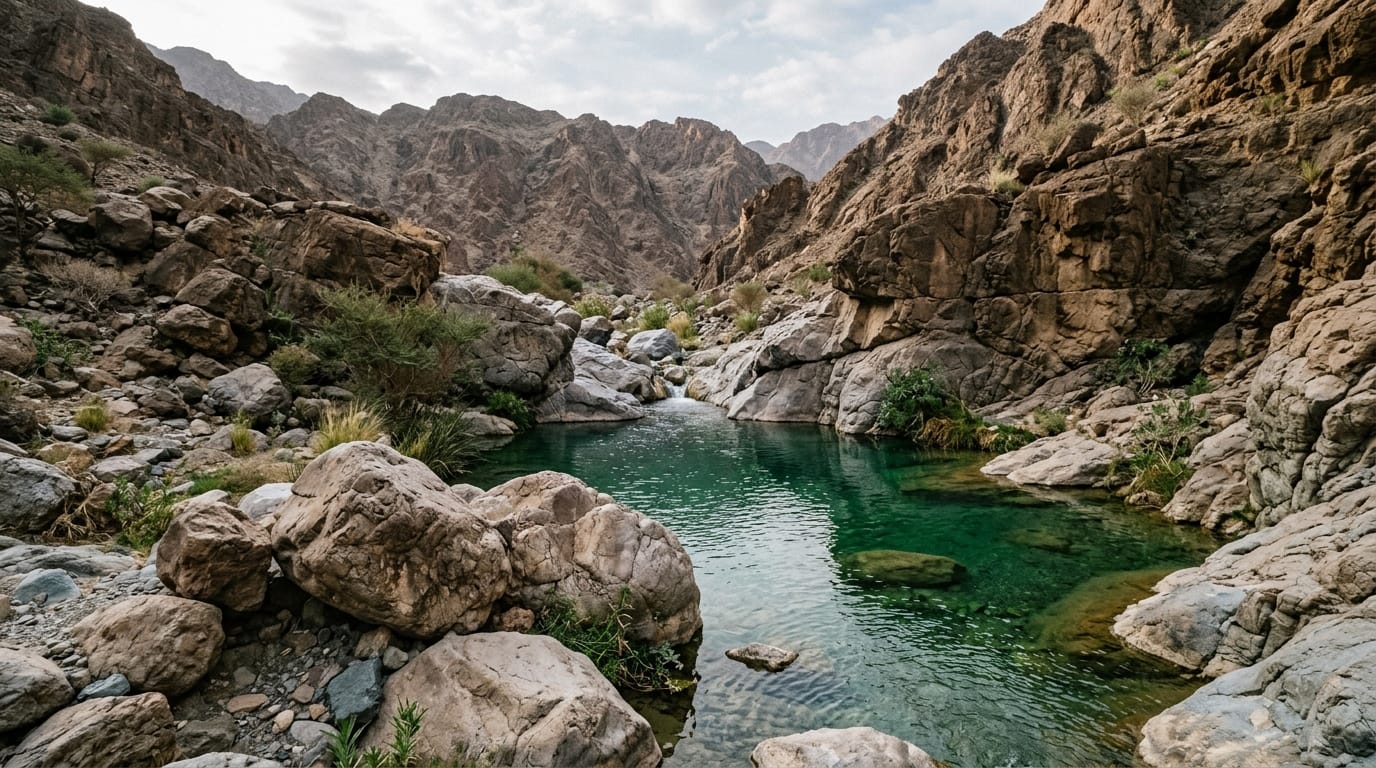
The turquoise waters of the Hatta Dam are popular for kayaking and paddleboarding. Equipment rental is available on site, so you do not need to bring your own. What to watch for: the water can be chilly in winter, and wind conditions can change quickly in the afternoon. Aim for a morning session when the water is calm. Children under a certain height may need to ride in a tandem kayak with an adult. Life jackets are provided and should be worn at all times. If you are not a strong swimmer, stay closer to the shore and avoid the deeper central area.
Mountain biking
Mountain biking has grown in popularity around Hatta mountain Dubai. The Hatta Mountain Bike Trail Centre offers marked routes ranging from beginner loops to advanced downhill sections. Bikes can be rented at the centre. What to watch for: check the difficulty rating before you set off. A green route is fine for a casual rider, but a black route requires good fitness and technical skill. The terrain includes loose gravel, sharp turns, and short steep climbs. Wear a helmet and gloves, and make sure your bike has working brakes. If you are new to off-road cycling, stick to the easier trails until you get a feel for the surface.
Plan your route and timing
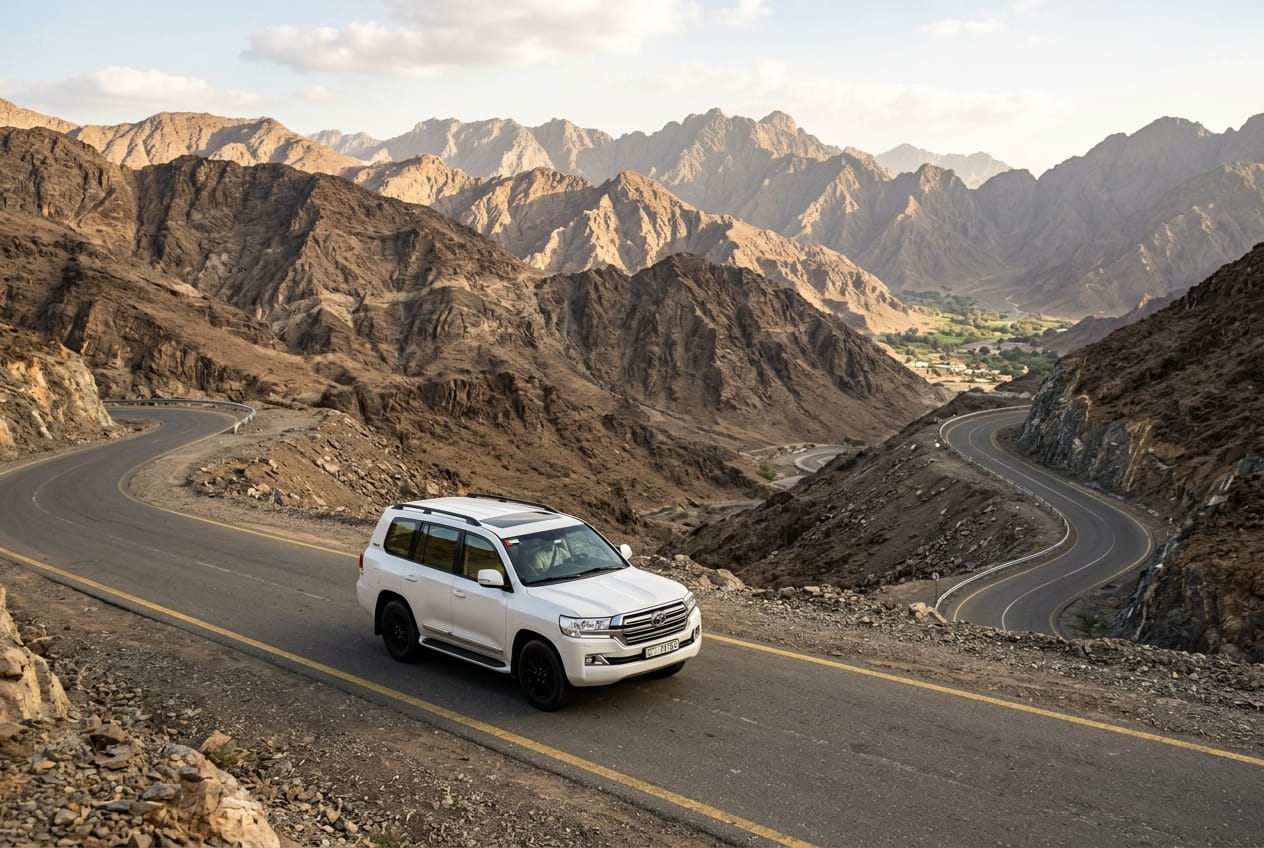
Driving from Dubai to Hatta takes roughly 90 minutes via the E44 road. The road winds through the mountains, so allow extra time if you are not used to mountain driving. There are several parking areas near the dam and the Hatta Wadi hub. Arriving early, around 8 or 9 am, gives you the best chance of finding a parking spot and enjoying the area before the midday heat. What to watch for: the road has some sharp bends and occasional trucks. Drive at a moderate speed and pull over at designated viewpoints if you want to take photos. Do not stop on the road itself.
Once you have chosen your activity, plan your schedule so you have enough time for the main event and a relaxed lunch or break. The Hatta Wadi area has cafes and shaded seating. If you are hiking or biking, pack your own snacks and extra water, because food outlets are limited on the trails. A typical day trip can comfortably fit one main activity plus a short walk and a visit to the heritage village.
What to bring and what to leave behind
The right gear makes a noticeable difference in Hatta mountain Dubai. Here is a practical list of what to consider taking: comfortable walking shoes or trainers, sun protection (hat, sunglasses, sunscreen), a reusable water bottle (at least one litre per person), light layers for winter or a cooling towel for summer, and a small backpack to carry it all. If you are kayaking or paddleboarding, a dry bag for your phone and keys is useful. Leave behind heavy luggage, high heels, and anything you would not want to carry on a rocky path. What to watch for: mobile phone reception can be patchy in the deeper wadis, so download offline maps before you go. It is also wise to tell someone your rough plan if you are hiking alone.
Respect the environment and local rules
The Hatta area is a protected natural space. Littering is not allowed and bins are available at the main hubs. Stick to marked trails to avoid disturbing the vegetation and wildlife. Swimming is not permitted in the dam, but kayaking and paddleboarding are allowed. Bicycles must stay on the designated bike trails and are not allowed on pedestrian paths. The heritage village has its own visiting hours, so check those before you go. What to watch for: some areas are off-limits for drones or camping without a permit. If you plan to stay overnight, book a spot at the Hatta campsite well in advance, especially during peak season.
Adjust for your group's needs
If you are travelling with young children, the Hatta Wadi playground and the flat walking loop are good options. Older children and teenagers often enjoy kayaking or the easier bike trails. For a group with mixed fitness levels, a short walk followed by a picnic near the dam works well. If you are visiting with elderly companions, keep the walking distance short and choose shaded areas. The Hatta Wadi hub has benches and a paved path that is suitable for wheelchairs and pushchairs. What to watch for: the sun is strong even in winter, so make sure everyone has sun protection and takes breaks in the shade. Do not push anyone to walk further than they are comfortable with; the aim is to enjoy the day, not to complete a challenge.
Weather and safety checks
Before you set out, check the weather forecast for Hatta. Sudden rain can make wadi trails slippery and can cause flash flooding in low-lying areas. If rain is forecast, avoid walking in narrow gorges or dry riverbeds. Heat is the more common concern. In summer, start your activity early, finish by midday, and spend the afternoon in an air-conditioned space or by the water. What to watch for: symptoms of heat exhaustion include dizziness, headache, and heavy sweating. If anyone in your group feels unwell, move to a shaded area, drink water, and rest. Do not continue the activity until they recover. Keep a basic first-aid kit in your car for minor cuts and scrapes.
Hatta mountain Dubai offers a genuine escape into nature without requiring a long journey or a big budget. The key to a successful trip is matching the activity to your group's ability and the season. Spend a few minutes reading up on the area before you go. The information on hattamountaintourdubai.com can help you confirm opening times, rental prices, and any seasonal closures. A little advance planning lets you focus on the experience itself rather than on logistics.
Hatta Mountain Tour Dubai is one of the names you will come across when searching for guided options. It is worth checking their offerings if you prefer a structured day with transport and a planned itinerary. Many visitors choose a self-guided approach because the area is straightforward to navigate on your own. Either way, the goal is the same: to spend time in the mountains, breathe fresh air, and see a different side of the UAE.